Choose the exact target before comparing quality
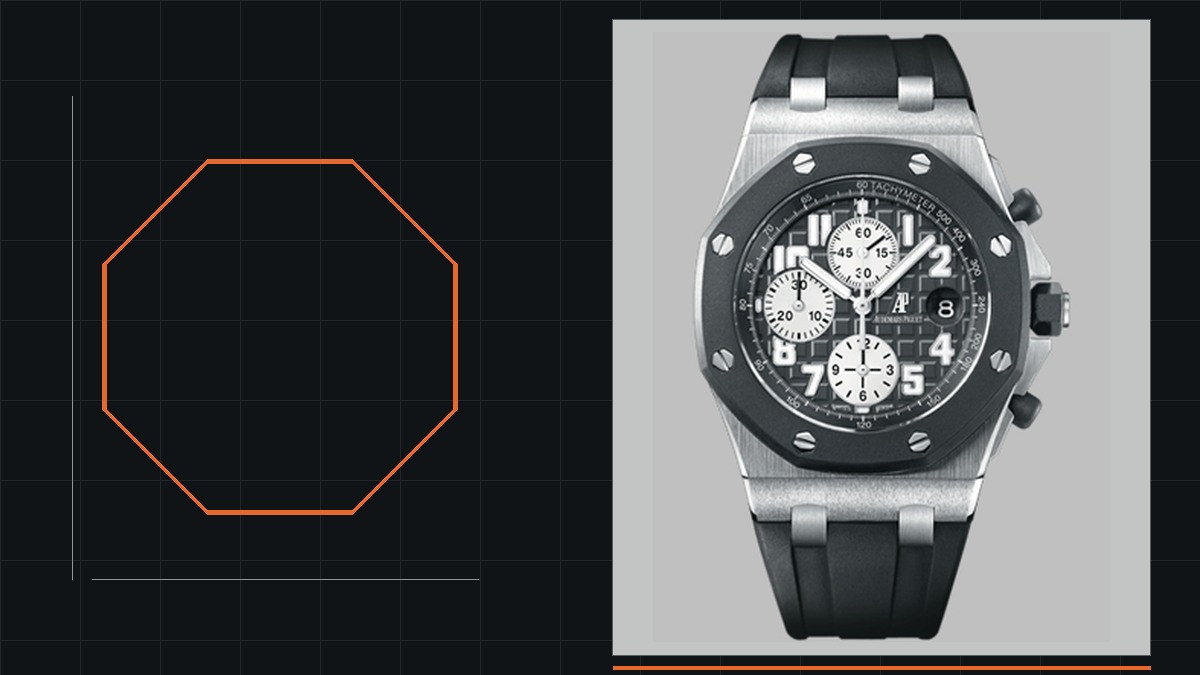
Royal Oak 15510, Jumbo 16202, Royal Oak Chronograph 26240 and Offshore 26420 are all visibly related but technically different. A listing that simply says “best AP Royal Oak” gives you no useful reference point. Start by identifying case size, generation, dial pattern, material and function set.
Ask for the actual watch, not only catalogue photography
Request front, side, caseback, clasp and case-to-bracelet images of the watch that will ship. For a chronograph, ask for a short video showing start, stop and reset. For calendar watches, ask to see date or calendar adjustment.
Translate movement marketing into functions
If a seller says “Swiss movement,” ask for the calibre. If they say “clone 4401,” ask whether the flyback works, whether subdial positions match and whether the movement can be serviced. If they say “Japanese automatic,” ask for the exact movement reference and how it affects date position and case thickness.
Put return and replacement terms in writing
A detailed QC process is still imperfect. Record what happens if the watch arrives with a non-working chronograph, misaligned dial, damaged bracelet or significant cosmetic defect. Clear terms are more useful than vague statements about “best factory” quality.
Water resistance is a test result
The genuine AP specification belongs to the genuine watch. Replica assembly, gaskets and crown tubes vary. If water use matters, request a pressure test for the individual watch and retest after service or opening the case.
Red flags that should slow the purchase
- No exact reference or size is identified.
- Only stock photos are available.
- The movement name changes when questions become specific.
- A chronograph cannot be shown operating.
- The seller guarantees genuine-level water resistance without a test.
- Material claims are presented as obvious from color alone.
- Return terms are verbal or contradictory.
Reference confusion is the first avoidable mistake
A seller may use a familiar model name while showing photographs from another generation. Save the genuine reference images before beginning QC and compare one feature at a time. This prevents the buyer from unconsciously accepting a mix of 15510, 15400 and Jumbo cues simply because the overall shape looks like a Royal Oak.
Catalog photos and QC photos serve different purposes
Catalog images help identify the intended product. QC images verify the actual unit. Do not use factory glamour photography as evidence that your individual watch has aligned screws, clean dial printing or a functioning chronograph. Those questions require photos of the watch that will ship.
Payment should follow a documented description
Keep a copy of the listing, movement claim, selected size, material description and return terms. If a dispute occurs, a written description is more useful than a chat message that simply says “best quality.” The more expensive the watch, the more important it becomes to document exactly what was promised.
Know which compromises matter to you
Some buyers prioritize case geometry and dial accuracy; others care more about a reliable movement and comfortable bracelet. A technically simpler movement can be a rational choice if it improves serviceability. Decide priorities before choosing a tier so the purchase is not driven only by marketing vocabulary.
Shipping photos should match approved QC photos
For higher-priced purchases, keep identifying details from the approved watch—serial-style engraving, small dial marks or bracelet sticker placement—and compare them with packing photos if provided. This helps reduce the risk that a different unit is shipped after QC approval.
After-sales support matters more for chronographs
Chronograph and calendar replicas contain more parts and have more failure modes than simple three-hand watches. Ask whether the seller can arrange movement replacement, source pushers or crowns, or provide service contacts. A lower purchase price can become expensive if no repair path exists.
Do not pay extra only for a factory nickname
Factory names can be useful shorthand within enthusiast communities, but they are not a technical specification. A newer batch can improve one detail while introducing another problem. The individual watch and current batch should be evaluated on evidence rather than reputation carried over from an older version.
Compare batches, not just model names
Replica production changes over time. A review from two years ago may describe a different dial, clasp or movement revision even when the product name is unchanged. Ask for current QC examples and identify the batch being sold when possible. This is more reliable than assuming an old reputation still describes the current watch.
Set a defect threshold before QC begins
No mass-produced replica is perfectly identical to another. Decide which defects would cause rejection—crooked markers, failed chronograph, major case mismatch—and which minor marks are acceptable. A predefined threshold prevents endless searching for microscopic flaws while still protecting against meaningful quality problems.
Source notes
Technical specifications in this file are cross-checked against manufacturer material where available.