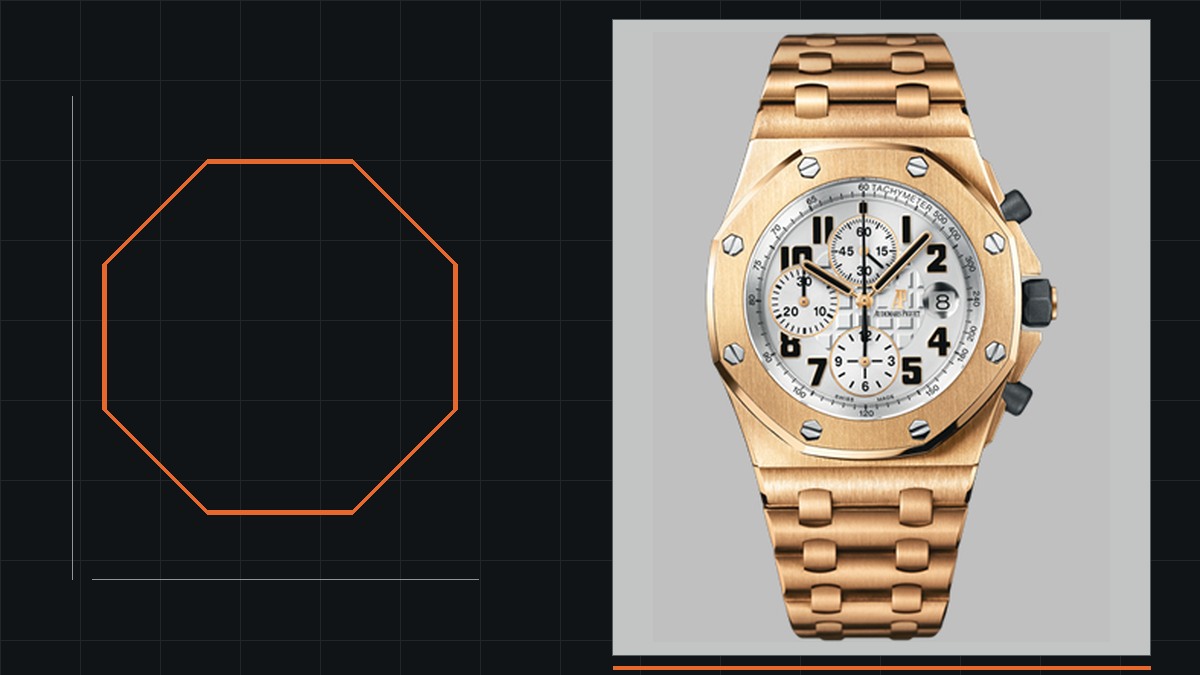
The genuine complication is the starting point
The old article correctly emphasized the mechanical ambition of an AP Grand Complication: multiple high complications combined in one watch, including a minute repeater, split-seconds chronograph and perpetual calendar. It also described the enormous number of parts and the hand-finishing involved. Those facts belong to the genuine watch and should not be silently transferred to a replica.
Modern AP continues to produce Royal Oak Grande Complication references, which reinforces the distinction between an appearance copy and a true high-complication mechanism.
A replica can copy the map without copying the engine
A replica may reproduce subdial positions, apertures, calendar printing and case geometry while using a much simpler movement. Some displays may be functional; others may be linked to simpler calendar mechanisms or be purely decorative. The page should therefore describe what the watch actually does rather than imply that every visible indication represents the same complication.
Function claims need a demonstration
If a seller claims a minute repeater, ask for a clear video of the striking sequence. If split-seconds timing is claimed, ask to see both chronograph hands operate. If a perpetual calendar is claimed, ask how month, leap year and date are adjusted and whether the movement automatically handles varying month lengths.
This is one category where a low-resolution movement photo is not enough. The gap between a decorated automatic movement and a true multi-complication calibre is too large for appearance to settle the question.
Case thickness is often the physical giveaway
Complications consume vertical space. A replica using stacked modules may become much thicker than the watch it imitates. Compare the bezel, mid-case and caseback as separate layers, and look at pusher and corrector placement around the case.
QC should start by listing what is supposed to work
- Write down every claimed function before reviewing photos.
- Ask for a video demonstrating each complication.
- Check whether subdials and correctors correspond to those functions.
- Compare case thickness and pusher positions.
- Inspect dial printing for calendar labels and leap-year indication.
- Treat decorative bridges or rotors as finishing, not proof of complication architecture.
Complication labels can hide very different mechanisms
A dial with day, month and moon displays may use a simple calendar; a second central hand may be decorative rather than a split-seconds mechanism. This is why the page separates display from complication. The function should be demonstrated, not inferred from what is printed on the dial.
Acoustic complications are impossible to evaluate silently
A minute repeater is defined by sound and strike sequencing. If a replica listing claims one, a silent product page provides no evidence. Request a clean audio/video recording showing the slide or actuator and the resulting strike. Without that, treat the repeater claim as unverified.
High complication replicas can be difficult to service
Even when multiple functions genuinely work, service access matters. Small production movements with stacked modules may be difficult to repair or replace. Ask whether the seller can identify the movement family and whether spare parts exist. A complicated watch with no service route can be a poor long-term choice regardless of appearance.
Corrector layout is part of the mechanical map
High-complication watches often require case correctors for calendar functions. Their number and position should correspond to the functions being claimed. Decorative or unused pushers are a warning sign. Ask the seller to identify what each corrector does and show it operating.
Dial thickness can become a hidden compromise
Stacked calendar modules and decorative overlays sometimes require a thicker dial, which can raise the hands and reduce clearance under the crystal. A side-angle macro can reveal unusually tall pinions or hands that sit far above the dial. This is another reason to inspect complicated replicas under motion, not only in static front photographs.
Complexity should increase the evidence threshold
The more ambitious the claim, the more evidence a buyer should require. A time-only automatic can be assessed with basic function and rate checks. A multi-complication watch should come with individual videos, clear movement identification and realistic service expectations. A high price or elaborate engraving is not a substitute for that evidence.
Decision note: verify complexity before paying for it
High-complication replica pricing can rise quickly because the product sounds technically exotic. Before paying a premium, list the functions you actually value and verify each one. A reliable chronograph plus calendar may be more useful than a watch advertised as a Grande Complication when the repeater or split-seconds mechanism cannot be demonstrated or serviced.
Source notes
Technical specifications in this file are cross-checked against manufacturer material where available.